Why Your Driveway Turns Green Again 6 Weeks After You Just Had It Cleaned

MG residential services

Why Your Driveway Turns Green Again Weeks After You Just Had It Cleaned

You paid to have the driveway cleaned. It looked great. Six weeks later it's green again and you're wondering whether you got taken.

You didn't get taken. But you likely got a service that only did half the job — and here's what the other half is.

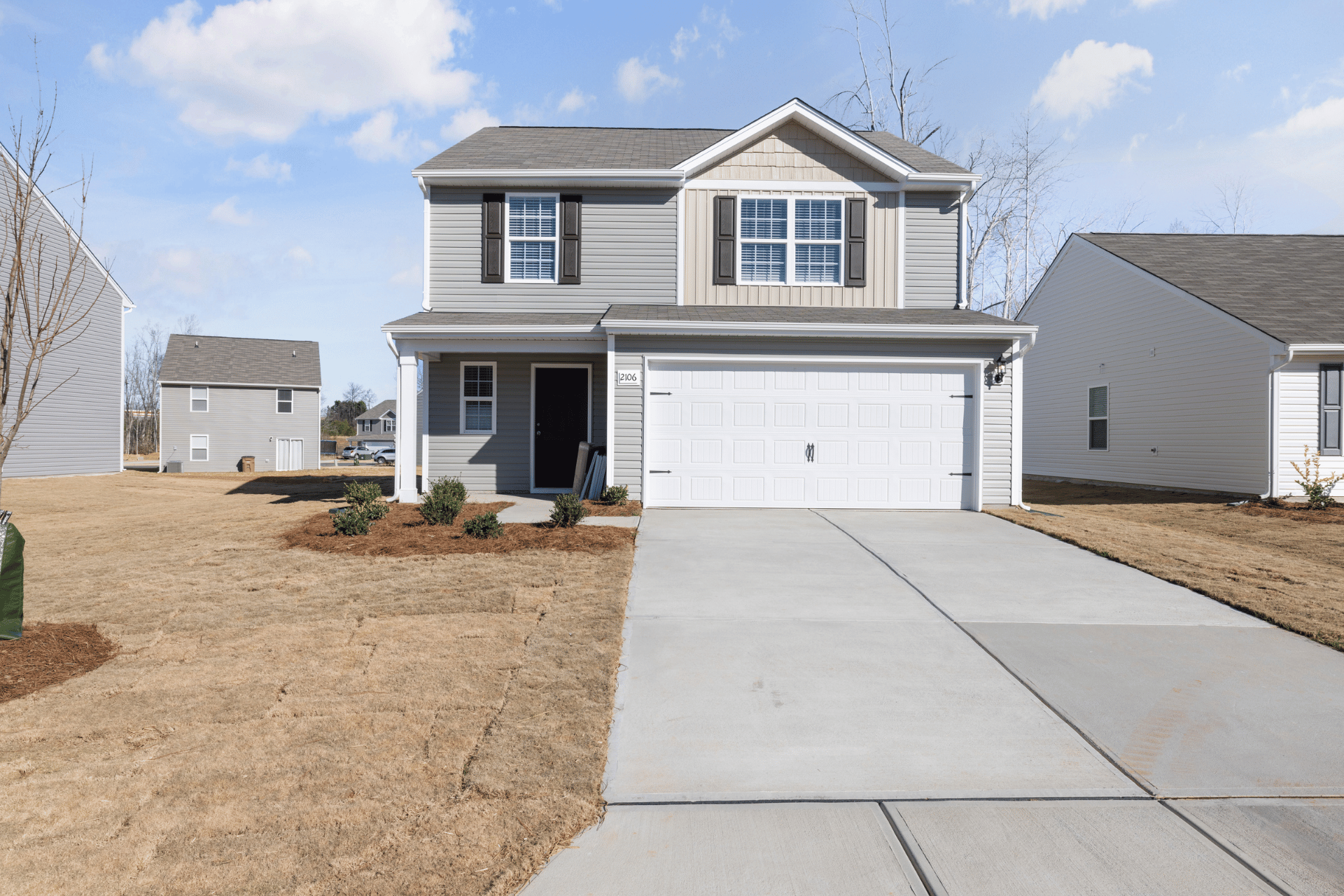
Suburban two-story house with a white garage and long concrete driveway under a partly cloudy sky

Pressure Washing Removes Algae. It Doesn't Kill It.

This is the thing most cleaning companies don't explain and most homeowners don't find out until the green comes back.


When a contractor pressure washes your concrete, the high-pressure water blasts the visible surface layer of algae off the concrete. It looks incredible when they're done. The problem is that algae doesn't just live on top of the concrete — it lives inside it. Concrete is a porous material full of microscopic channels, and algae spores embed themselves into those channels where the pressure stream can't fully reach them.


What you're left with after a standard pressure wash is clean-looking concrete that still has live algae colonies embedded in the pore structure. Those colonies don't need much to start regenerating. One stretch of Indianapolis summer rain, a few warm humid days, and the surface starts greening up again from the inside out. By week six you're back where you started.

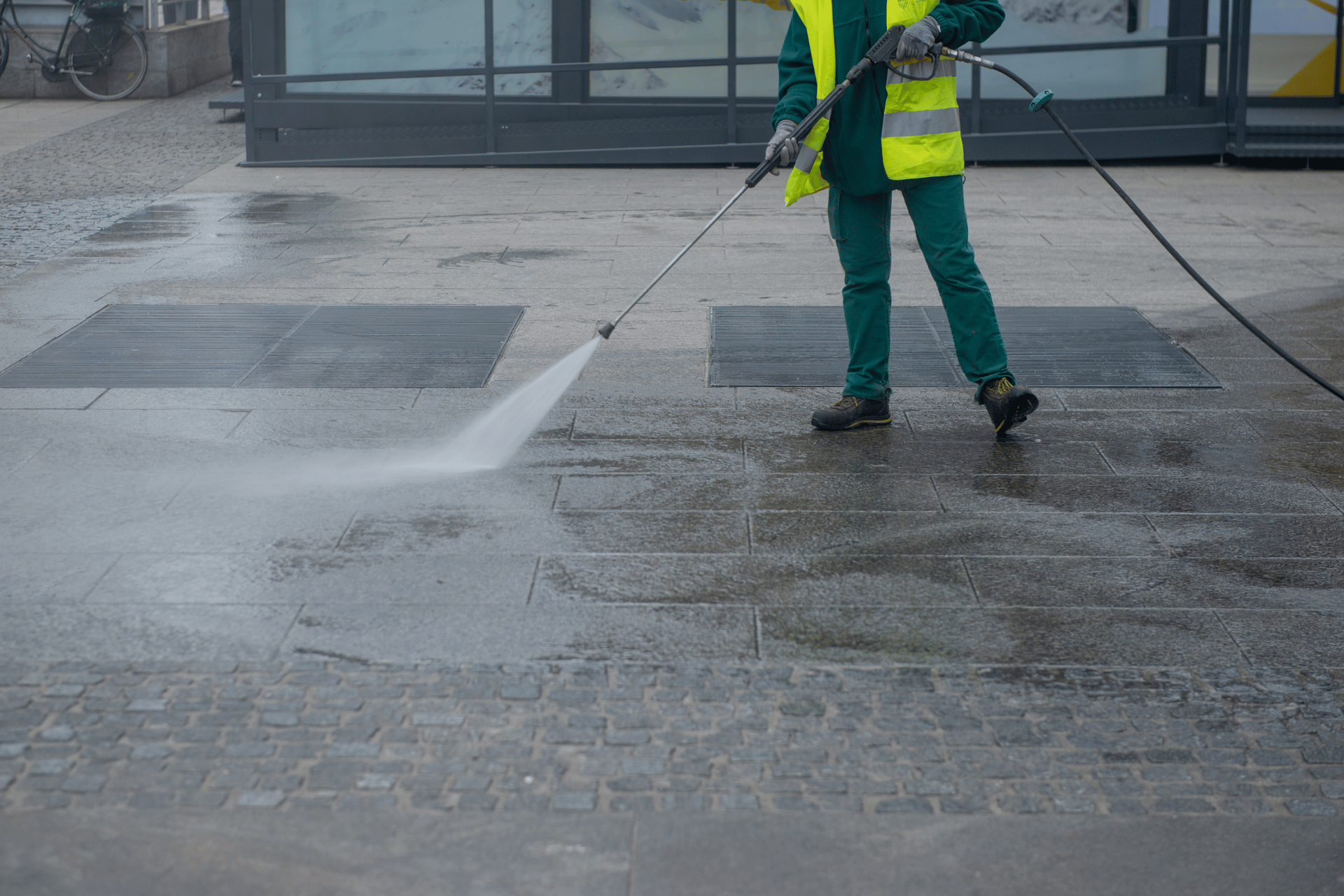
Worker in a yellow vest power-washing a wet sidewalk outside a building

What Actually Kills Algae on Concrete

The step that makes the difference is pre-treatment with a sodium-hypochlorite-based cleaning solution — applied to the surface before pressure washing and given dwell time to penetrate into the same pore structure where the algae is living. This is what kills the organism at the root rather than just clearing the surface layer.


When the pressure wash follows the chemical treatment, it's removing dead cellular material that's already been broken down, not just scattering live organisms that immediately start regrowing. The results hold measurably longer — typically 12 to 18 months rather than 6 to 8 weeks — because the biology has actually been addressed rather than temporarily displaced.


This is the step that most budget cleaning operations skip, because it adds time, requires proper chemical handling, and costs more to do right. It's also the step that determines whether you get a result that lasts or one that looks great for a month.

Why Indianapolis Concrete Re-Greens Faster Than Almost Anywhere

MG Residential Services handles driveway cleaning, patio cleaning, pool deck cleaning, sidewalk cleaning, parking lot cleaning, and oil stain removal throughout Indianapolis and all cities within a 45-mile radius — including Carmel, Fishers, Greenwood, Avon, Noblesville, Brownsburg, Westfield, Anderson, and Shelbyville.


Call (317) 945-5009 for a free estimate. Open Monday through Sunday, 8 AM to 9 PM.

Recent Posts

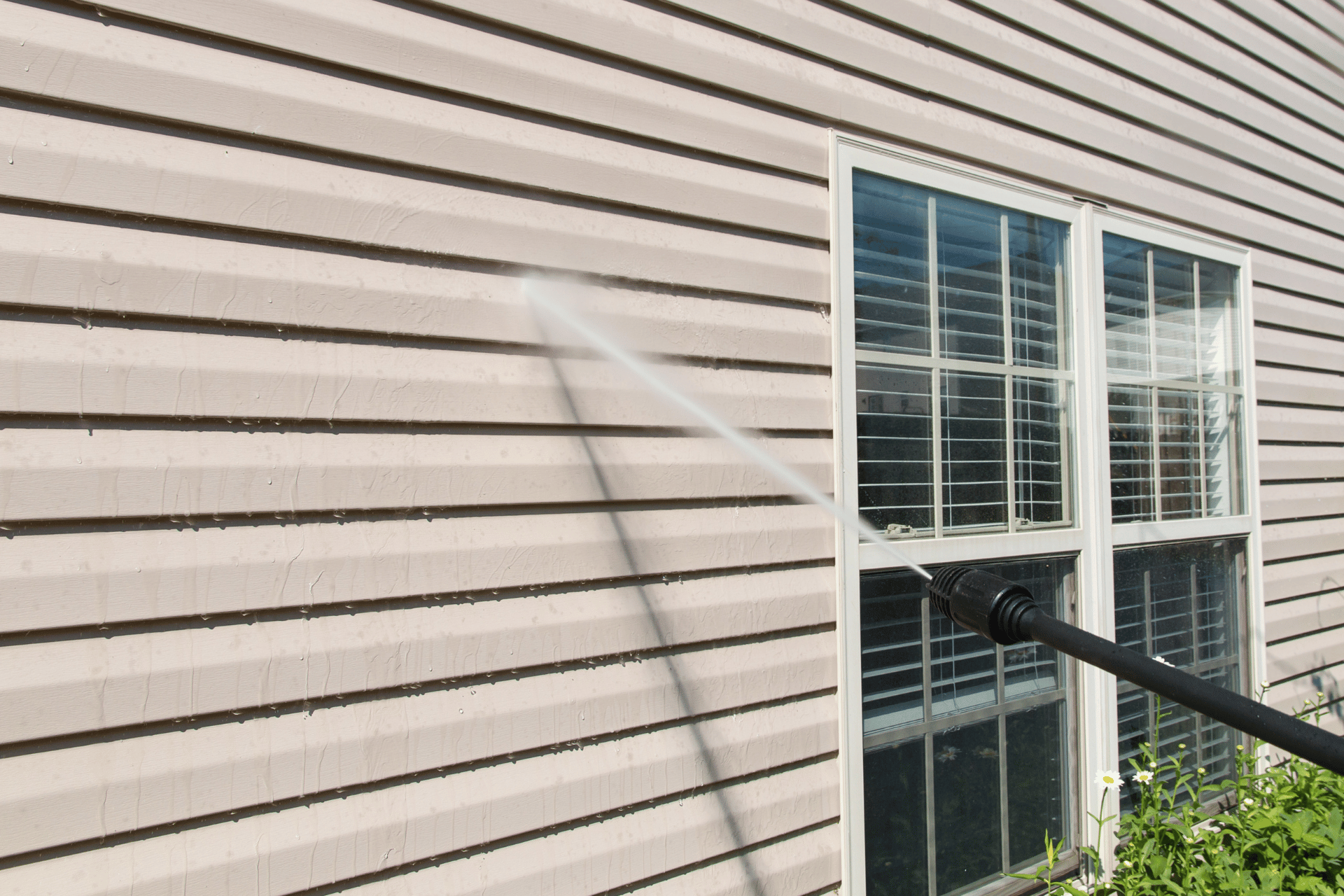
Water spraying onto beige house siding beside a window from a black hose
June 20, 2026
Find out why pressure washing alone often fails to stop algae growth and how soft washing keeps your siding cleaner longer.
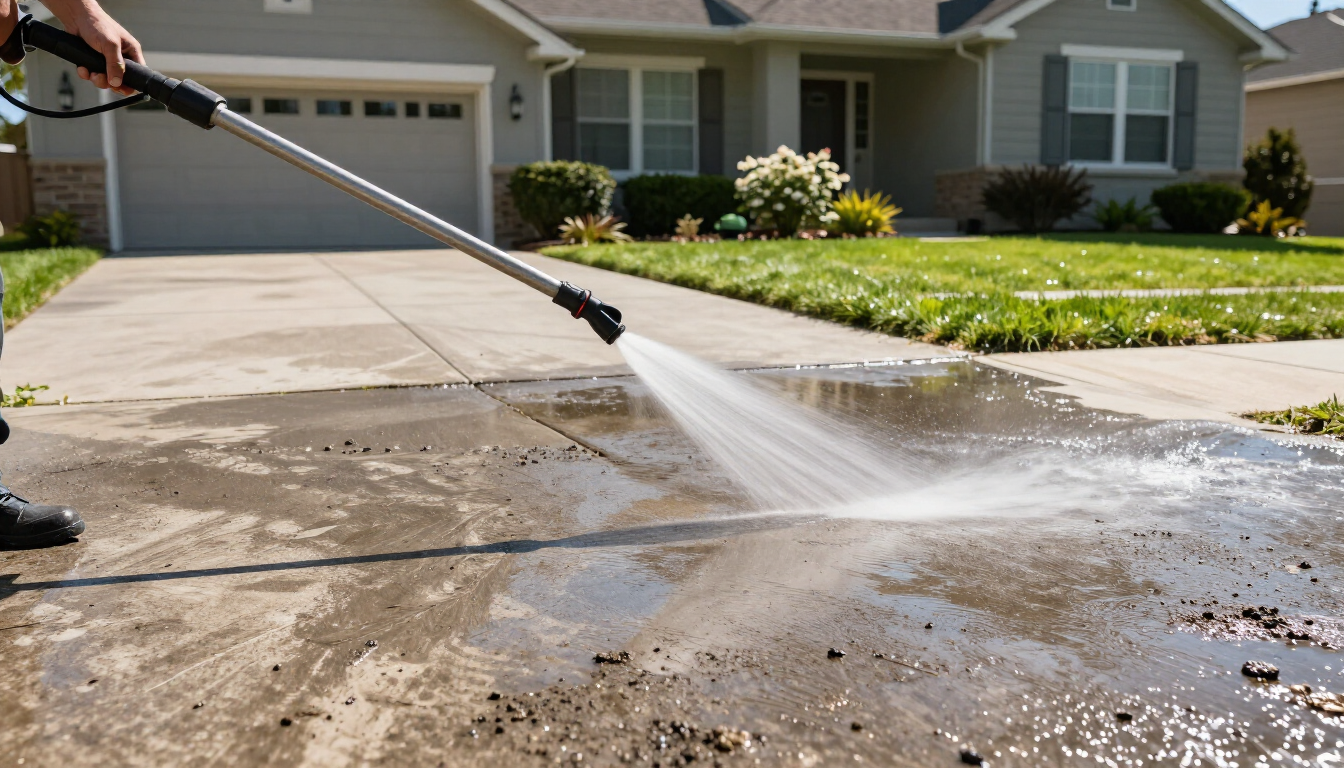
Person pressure-washing a driveway in front of a suburban house
June 13, 2026
Find out why professional concrete cleaning delivers better, longer-lasting results than renting a pressure washer yourself.
Corner view of a white apartment building with blue windows and a beige lower wall against a clear sky
June 12, 2026
Discover why Indianapolis windows get dirty so quickly from hard water, pollen, humidity, and environmental buildup.
